 kategorilersıcak ürünler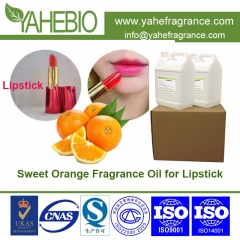
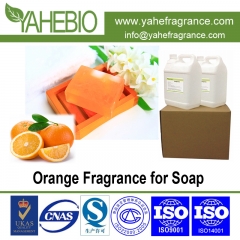
Gıda sınıfı; saf ve doğa tatlı portakal lezzet profili; yüksek kalite ve uygun fabrika fiyatı. ruj için dozaj:% 0.5-3.
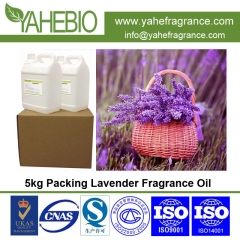
uzun ömürlü; 16 yıllık üreticilezzet ve parfüm ile iso9001, iso14001, iso22000 sertifikaları; saf ve doğal lavanta profili; yüksek kalite ve uygun fabrika fiyatı. çamaşır yıkama dozajı:% 0.2-0.5
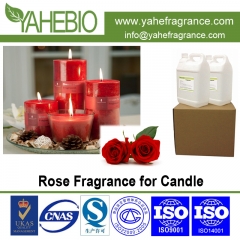
doğal ve saf gül aroması, mum uygulamasında özel olarak kullanılır
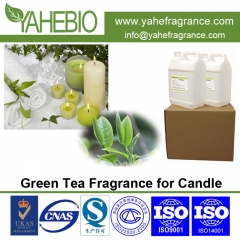
güçlü yeşil çay aroması profili, mum uygulamasında kullanılır.
etiketler
Synthetic fragrance oils are composed of four key components: aroma chemicals, fixatives, solvents, and stabilizers. Aroma chemicals build the primary scent profile. Fixatives slow evaporation and extend longevity. Solvents dilute potent ingredients for safe handling. Stabilizers prevent oxidation and maintain freshness over time. Each component plays a distinct role in the final product. Understanding these parts helps demystify how long-lasting scents are created. A well-balanced fragrance oil relies on precise ratios of these elements. Manufacturers blend synthetic molecules with natural extracts to achieve consistent results. This knowledge empowers consumers to evaluate fragrance oils more effectively. Buyers can then judge quality and performance with greater confidence.
Synthetic fragrance oils use four main parts: aroma chemicals, fixatives, solvents, and stabilizers.
Aroma chemicals and natural extracts build the scent. Fixatives make the scent last longer.
Solvents dilute strong ingredients for safety. Stabilizers protect the fragrance from light and air.
Knowing these parts helps you judge fragrance quality and choose the right product for your use.

Aroma chemicals and fixatives work together to define how a fragrance oil smells and how long it lasts. Each group serves a distinct purpose. Understanding both helps buyers see why two products with the same name can perform very differently.
Aroma chemicals form the scent backbone of most fragrance oils. These synthetic molecules deliver consistent strength and precise character. Many fragrance oils also include natural essential oils or extracts, such as lavender or bergamot. This blend gives the formulation both reliability and depth.
Blending synthetic molecules with natural extracts offers clear advantages:
The mix smells richer and more intense than natural aromas alone, which enhances overall scent complexity.
The composition becomes more versatile, moving beyond florals, musks, or botanicals into an endless spectrum of fragrances.
Perfumers can create scents like lily or lilac that extraction cannot pull from nature, which expands the palette for complex blends.
Essential oils merge with aroma chemicals to produce a vast variety of fragrance combinations.
Synthetic linalool pairs well with several natural essential oils. Lavender, bergamot, and geranium appear most often in these blends. A Lavender Essential Fragrance Oil For Candles often combines synthetic linalool with natural lavender extract to achieve a balanced, long-lasting aroma. This approach gives makers a natural fragrance option without losing consistency. Some buyers prefer natural perfumes built only from botanicals. Others accept a hybrid because it performs better in candles and soaps. Neither choice is wrong. The key lies in reading the label and knowing which ingredients serve which role.
Fixatives slow down evaporation. Synthetic musks and natural resins are common choices. Without them, volatile top notes vanish within minutes. With them, a scent can evolve over 6–12 hours.
Fixatives do more than stretch time. They anchor fleeting natural compounds and preserve the fragrance's essence as it changes. They also provide clarity and precision for airy, ozonic, or sheer woody notes that dense natural extracts cannot achieve. Specific synthetics, such as aldehydes, Iso E Super, ethyl-vanillin, and cis-3-hexenol, complement naturals by adding brightness, depth, consistency, or fresh green notes. These materials amplify the natural complexity of ingredients like rose oil, which contains over 300 compounds, while improving longevity and projection.
A well-chosen fixative keeps the scent true from the first spray to the final hour. It also protects the character of any natural fragrance inside the bottle. Makers who skip fixatives often find their products fade fast or smell flat. Those who use them well create a fragrance that feels complete.
Carrier solvents and stabilizers complete every fragrance oil formula. Solvents make concentrated aroma chemicals safe to handle and easy to blend. Stabilizers protect the mixture from degradation over time. Together, they ensure the product remains stable, usable, and consistent from manufacture to final use. Without these components, even a well-crafted scent blend would lose performance shortly after production.
Solvents dilute potent aroma chemicals. These liquids dissolve, suspend, or extract raw materials without altering them chemically. Dipropylene glycol (DPG) serves as the most common carrier solvent in synthetic fragrance oils. Other solvents such as benzyl alcohol function as both a carrier and a fragrance component. Each solvent offers different properties for specific product types.
The concentration of solvent depends on the intended use. The table below shows recommended DPG levels for common tasks.
|
Application |
Recommended DPG Concentration |
Purpose |
|---|---|---|
|
Diluting concentrated aroma chemicals and essential oils |
10–20% solution |
Blending, testing, and formulating |
|
Dissolving fragrance oils or EOs |
10–30% in DPG |
Safe handling and accurate measuring |
Solvents serve a critical safety function. Undiluted aroma chemicals can cause skin irritation or damage certain materials. Carriers spread the fragrance evenly throughout a product. They also help the scent release at the right rate during use. Without proper dilution, a fragrance oil would be too concentrated to work with. The solvent does not alter the chemical nature of the aroma compounds. It simply holds them in a usable form.
Stabilizers protect fragrance oils from environmental damage. Two main threats exist: oxidation from air exposure and photodegradation from light. Antioxidants and UV stabilizers address these problems directly.
|
Stabilizer Type |
How It Prevents Discoloration |
|---|---|
|
UV absorbents |
Collect UV wavelength energy and convert it into heat, preventing that energy from damaging dyes and fragrance materials. |
|
Antioxidants |
Slow down oxidation of dyes, fragrance, and wax, which helps resist discoloration such as yellowing linked to vanillin. |
|
HALS (hindered amine light stabilizer) |
Fights photo-oxidation caused by light exposure, helping protect materials from light-induced degradation. |
High vanillin content in fragrance oils can cause yellowing even with limited UV exposure. Antioxidants in the formula help resist this discoloration by slowing the oxidation process. A UV inhibitor helps prevent premature fading of colored candles exposed to ultraviolet light. It also protects white candles from yellowing after prolonged light exposure. These protections matter most for products stored on retail shelves under bright lighting. Butylated hydroxytoluene (BHT) acts as a common antioxidant. It scavenges free radicals before they damage scent molecules. This protection keeps the scent profile stable over months of storage.
Fragrance safety improves when stabilizers prevent the formation of irritants from degraded materials. Consumers receive a product that performs as intended. Manufacturers incorporate specific stabilizers into their formulations to maintain scent profiles over time. This approach ensures consistent performance, even when exposed to light during shipping or display. Buyers get a product that smells the same at the end of its life as it did when new.
Natural ingredients in a formulation can be more susceptible to degradation than synthetic molecules. Essential oils contain terpenes that oxidize readily. Stabilizers protect these delicate compounds, allowing a natural fragrance to retain its character. Another natural fragrance benefit appears in products that rely on subtle botanical notes. The combination of antioxidants and UV absorbers provides comprehensive protection. Together, they extend product shelf life. Making stabilizers a standard part of the formula gives manufacturers confidence in their finished products.
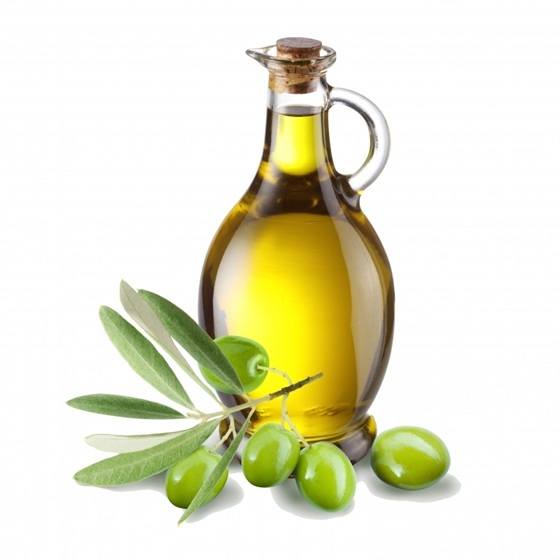
Manufacturers follow a defined sequence to turn raw aroma materials into a finished product. The process moves through conceptualization, formulation and evaluation, testing and approval, manufacturing, and distribution. Each stage builds on the last one. Perfumers weigh out base, heart, and head notes before blending them in a carrier. The mixture then ages for days to weeks to harmonize.
A balanced blend depends on precise note ratios. Base notes typically constitute between 5% and 20% of a fragrance blend. Middle notes usually form the largest portion, with top notes providing the initial impression. Perfumers measure each component with pipettes and glass beakers for accuracy. They combine aroma chemicals with natural extracts to build the target scent profile.
During manufacturing, raw materials stored in smaller tanks are dispensed into large-capacity mixing tanks. Stainless steel tanks ranging from 500L to 5,000L support scale-up from pilot to mass production. A stirring system operating at 50–300 rpm controls mixing uniformity. A PID water jacket maintains temperature within ±1°C of the lab trial curve. This precision ensures formula homogeneity across batches. A 0.45-micron filter then removes particles and haze before the mixture moves to maturation.
Aging allows the fragrance profile to stabilize and balance. Maturation lasts 72–120 hours at 20–25°C under light-protected conditions. For oil-based perfumes, maceration can extend from 2 weeks to 3 months. Carrier oils are gentler than alcohol, so they need more time to fully marry with the fragrance concentrate. This rest period softens sharp edges and enhances complexity.
Quality testing verifies scent strength, stability, and compatibility with the final product. Cold throw and hot throw are evaluated to assess fragrance performance. Quality testing includes sensory evaluation and gas chromatography to confirm similarity to the reference sample. The fragrance oil undergoes rigorous aging and testing to ensure consistent performance across different wax types.
Aroma chemicals, fixatives, solvents, and stabilizers each shape a fragrance oil's quality and longevity. Aroma chemicals define the scent. Fixatives hold it. Solvents dilute it. Stabilizers protect it. Buyers who understand these ingredients judge a formulation with far more confidence. That knowledge matters for candles, personal care, and home scenting alike. Shoppers comparing natural perfumes against synthetic blends can now read a label and see how each fragrance oils brand builds its base. Makers of natural products often favor 100% natural claims, yet 100% natural essential oils still need stabilizers to survive light and air. Use this understanding to compare products, question vague claims, and weigh safety alongside performance. Whether you're evaluating a Lavender Essential Fragrance Oil For Candles or selecting a high quality and long lasting bergamot fragrance, recognizing these components helps you judge the product's performance and safety.
A synthetic fragrance oil relies on lab-made aroma chemicals for its scent backbone. A natural version draws only from essential oils and plant extracts. Many products blend both. The synthetic route offers consistency and broader scent options, while the natural route appeals to buyers who prefer botanical sources.
Formulas vary in aroma chemical quality, fixative choice, and solvent ratio. One maker may load a fragrance with cheap top notes that fade fast. Another invests in fixatives that hold the scent for 6–12 hours. Reading the ingredient list reveals these differences.
Concentration depends on the application. Diluting concentrated aroma chemicals and essential oils for blending or testing calls for a 10–20% solution in DPG. Dissolving fragrance oils or essential oils for safe handling and accurate measuring uses 10–30% in DPG.
Stabilizers do not alter the scent profile. They prevent oxidation and light damage that would otherwise shift the aroma over time. Butylated hydroxytoluene (BHT) and UV absorbers keep the fragrance true from production through months of shelf storage. Manufacturers build these protections into their candle fragrance lines.
Not always. A fragrance oil for candles must withstand high heat and interact well with wax. Personal care formulas demand skin-safe ingredients and different solvent ratios. Buyers should check compatibility claims before switching a product between applications.







 internet üzerinden
 13923210784
